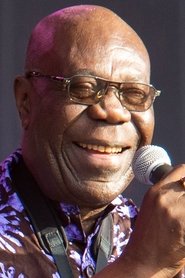
Manu Dibango
Sound
Born December 12, 1933 in Douala, Cameroon
Emmanuel N'Djoké "Manu" Dibango (12 December 1933 – 24 March 2020) was a Cameroonian musician and songwriter who played saxophone and vibraphone. He developed a musical style fusing jazz, funk, and traditional Cameroonian music. His father was a member of the Yabassi ethnic group, while his mother was a Duala. He was best known for his 1972 single "Soul Makossa". He died from COVID-19 on 24 March 2020. Emmanuel "Manu" Dibango was born in Douala, Cameroon in 1933. His father, Michel Manfred N'Djoké Dibango, was a civil servant. Son of a farmer, he met his wife travelling by pirogue to her residence, Douala. Emmanuel's mother was a fashion designer, running her own small business. Both her ethnic group, the Douala, and his, the Yabassi, viewed this union of different ethnic groups with some disdain. Dibango had only a stepbrother from his father's previous marriage, who was four years older than him. In Cameroon, one's ethnicity is dictated by one's father, though Dibango wrote in his autobiography, Three Kilos of Coffee, that he had "never been able to identify completely with either of [his] parents".
Filmography
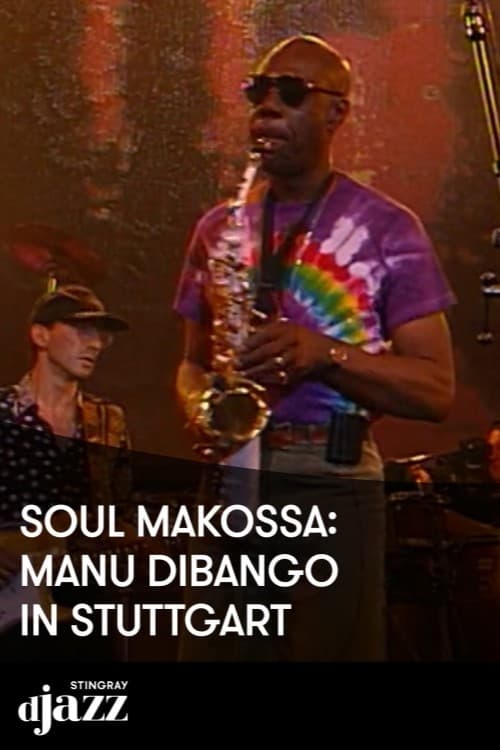
Soul Makossa Manu Dibango jazz Open Stuttgart - 1995
sax/vocals
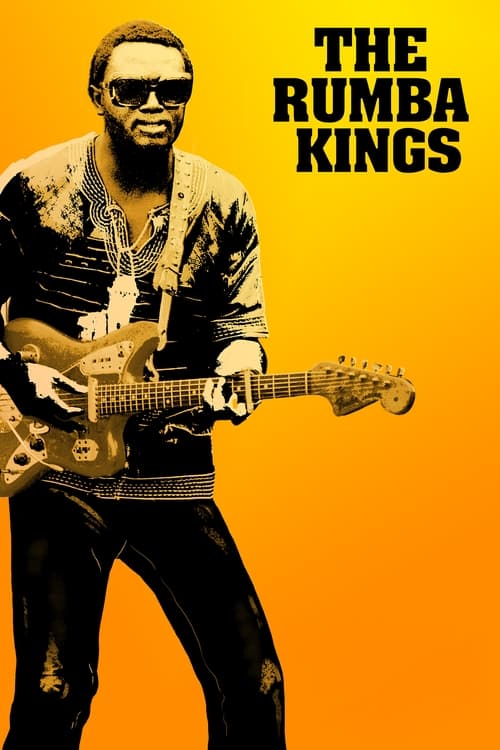
The Rumba Kings
Self - Musician
Africa Rising
Self - Musician (archive footage)
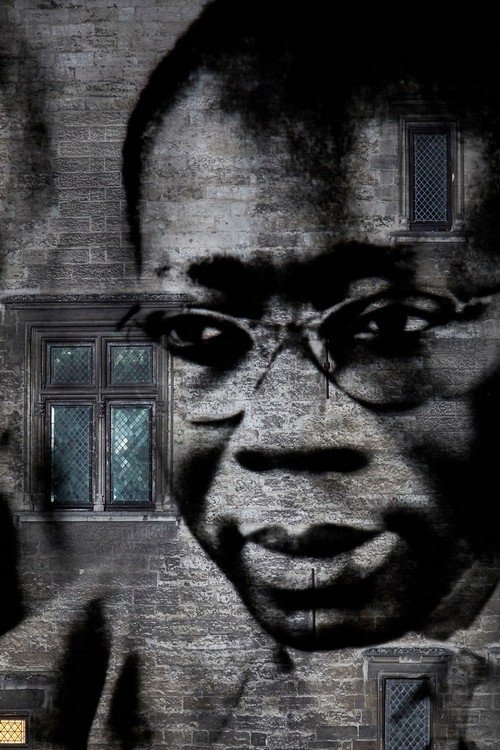
Femme Noire
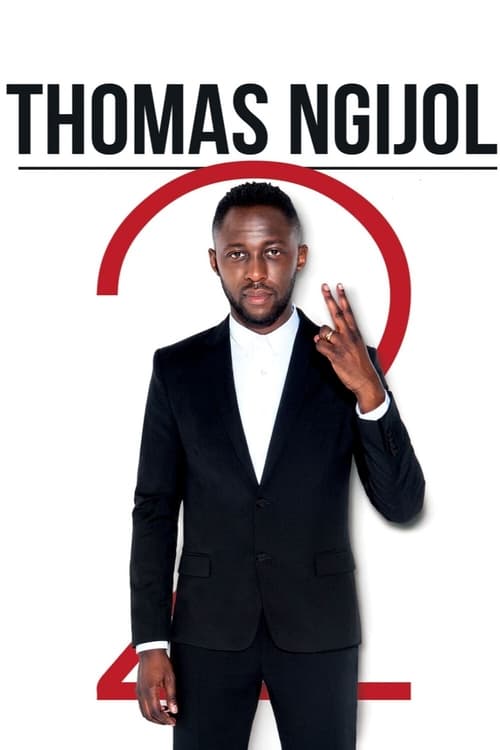
Thomas Ngijol - 2
Self
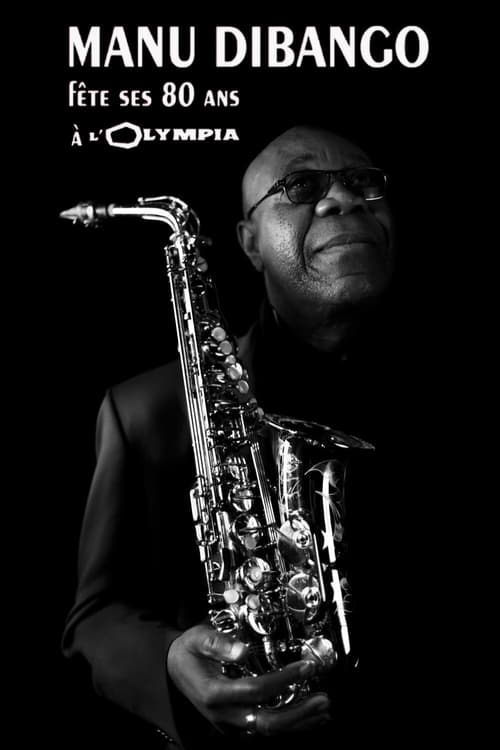
Manu Dibango fête ses 80 ans à l'Olympia de Paris
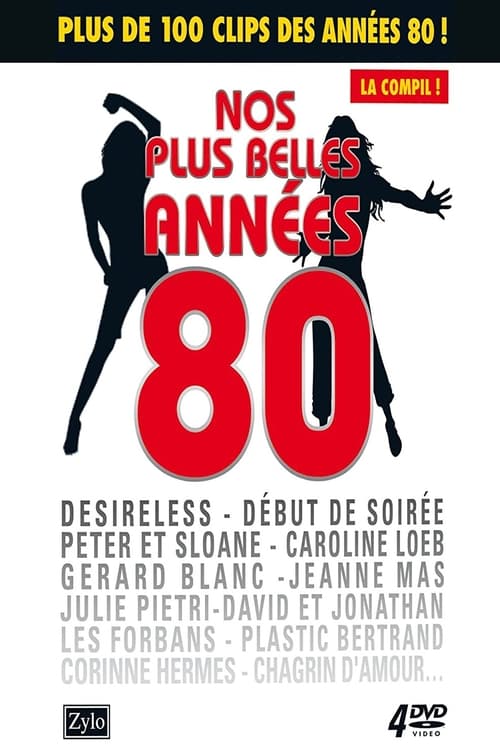
Nos plus belles années 80 : La Compil !
Self (archive footage)
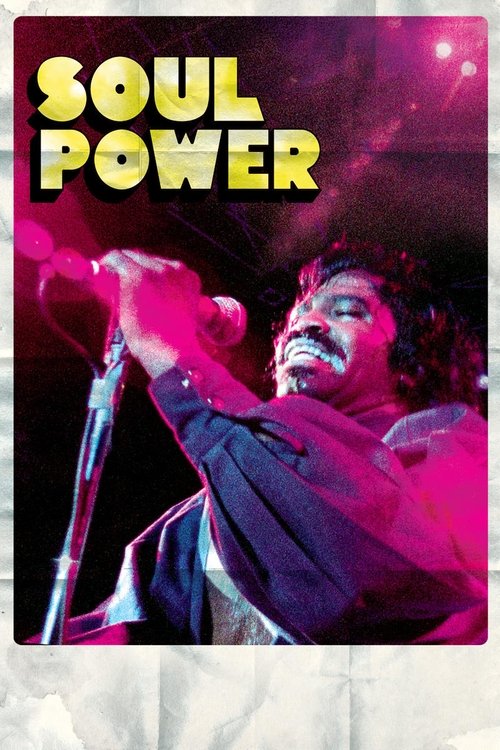
Soul Power
Self

Kirikou and the Wild Beasts
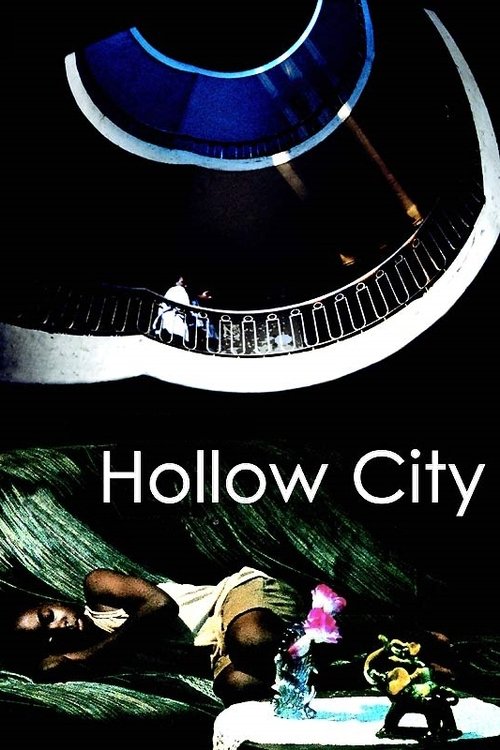
Hollow City
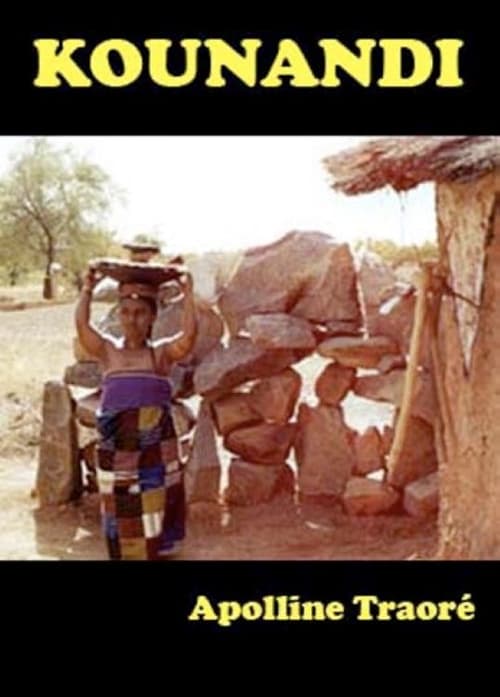
Kounandi
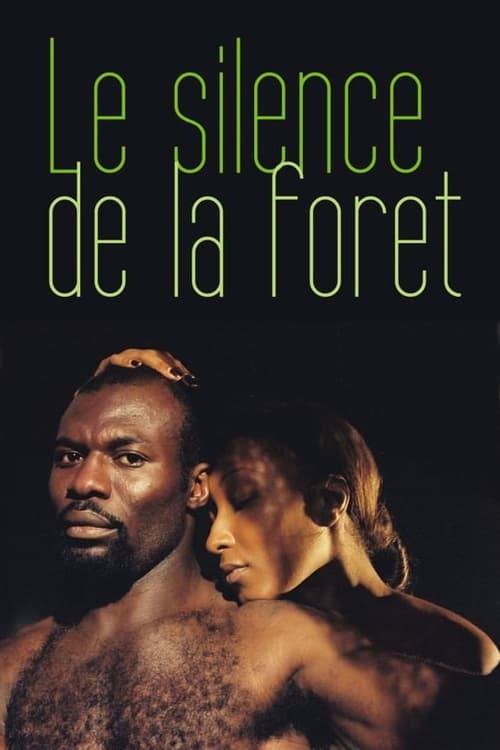
The Silence of the Forest
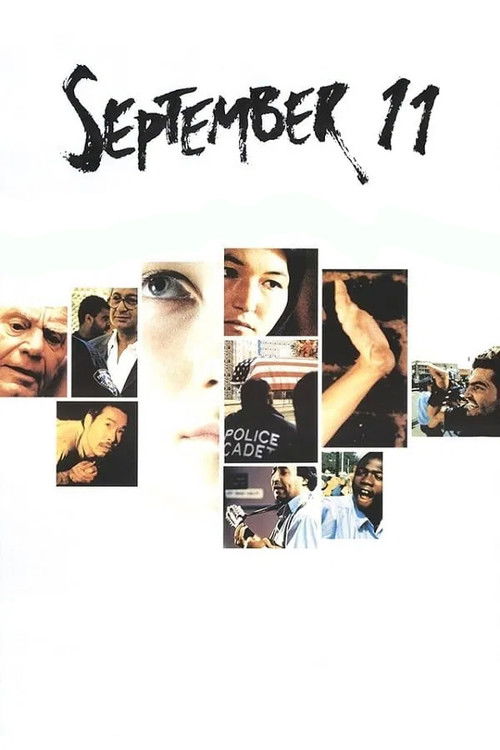
September 11
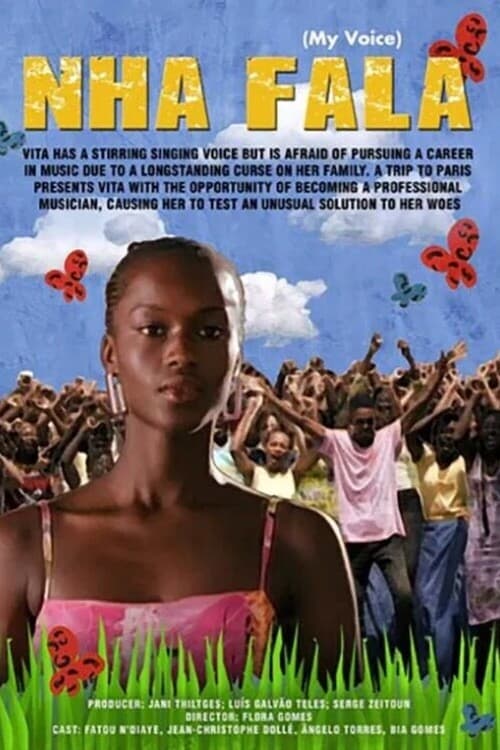
My Voice
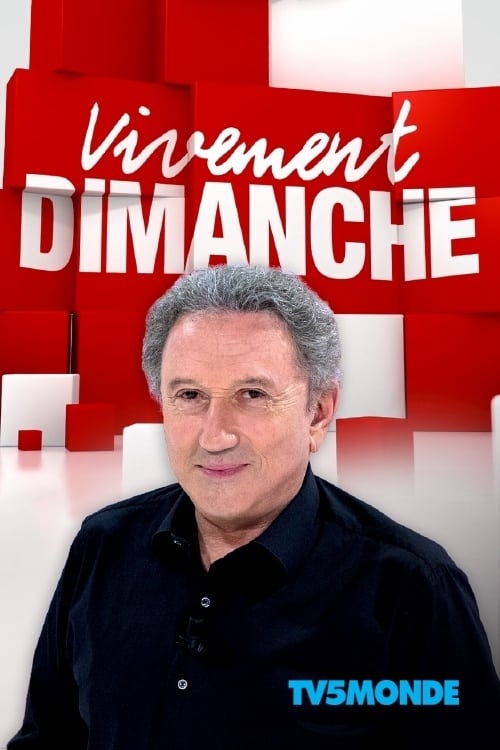
Vivement dimanche
Self
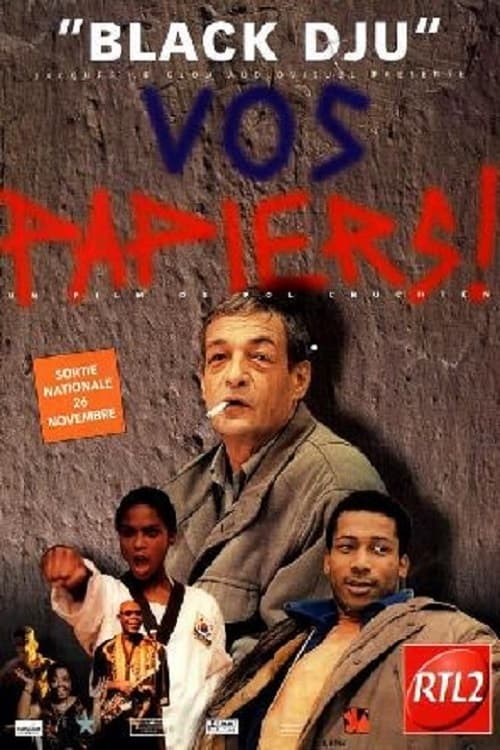
Black Dju
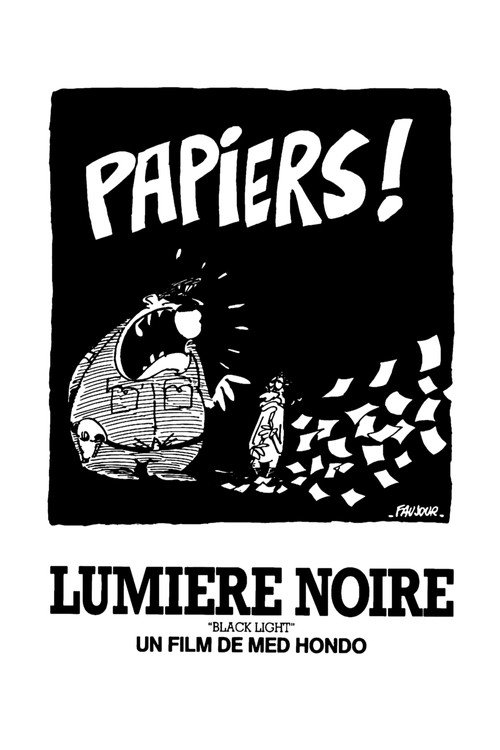
Black Light
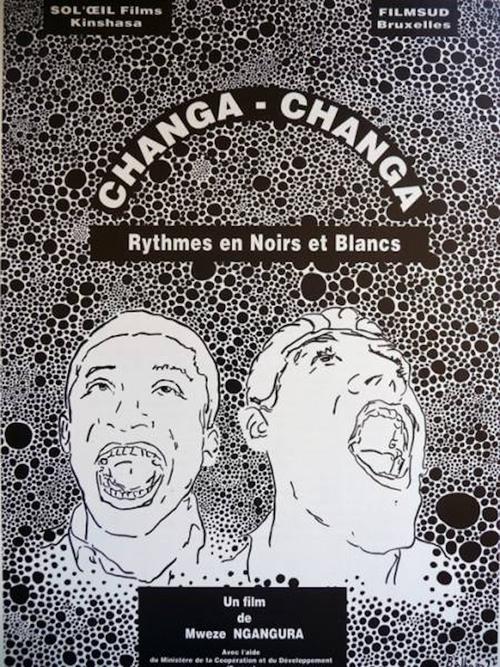
Changa Changa, rythmes en noirs et blancs
Himself

Paris Black Night
Lui même
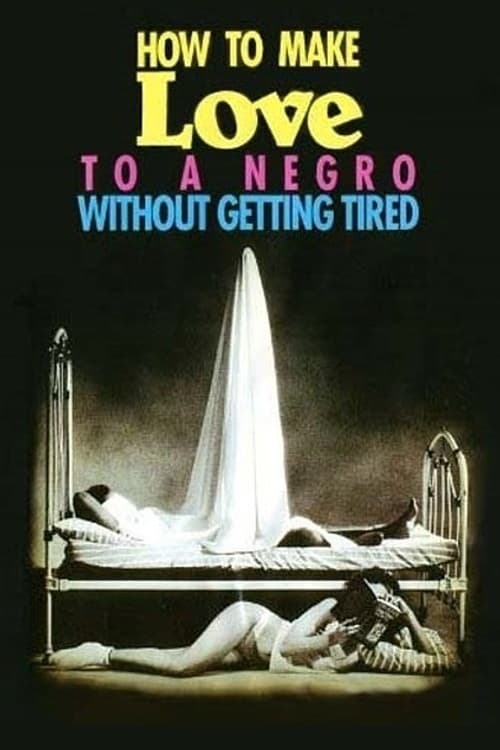
How to Make Love to a Negro Without Getting Tired

Lady Cops
Téléthon
Self
Ambitions
Self
Victoires de la musique
Self
Forty Deuce
Champs-Elysées
Self

Ceddo
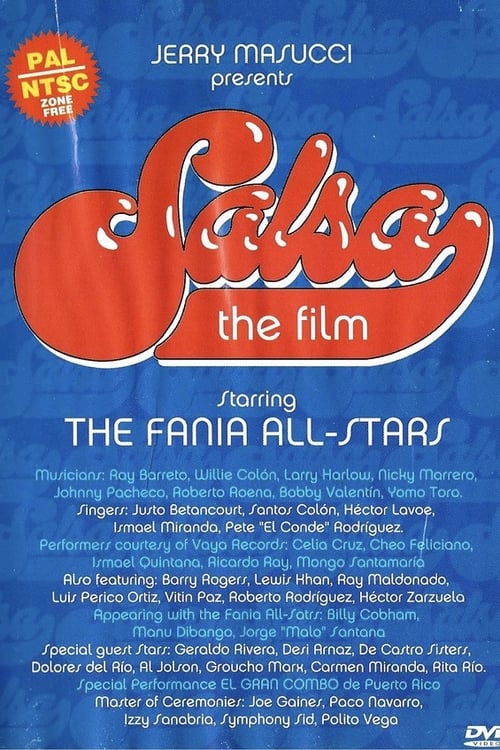
Salsa
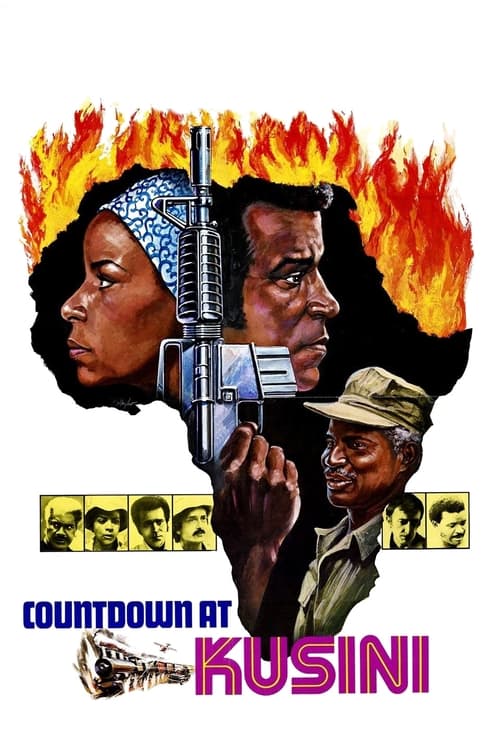
Countdown at Kusini
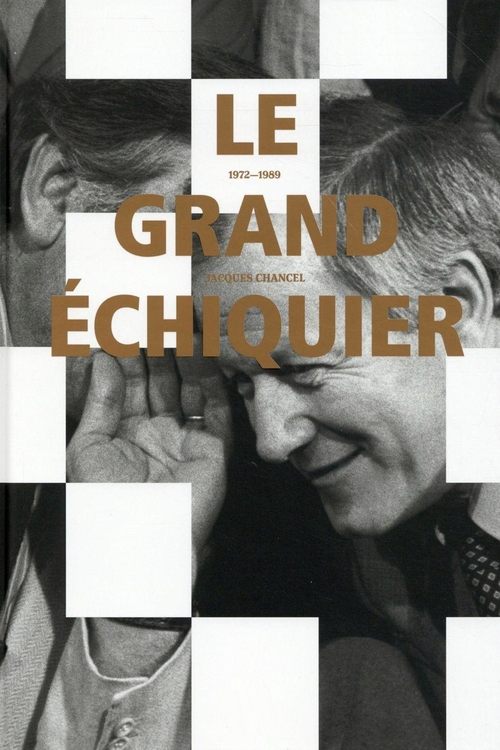
Le Grand Échiquier
Self
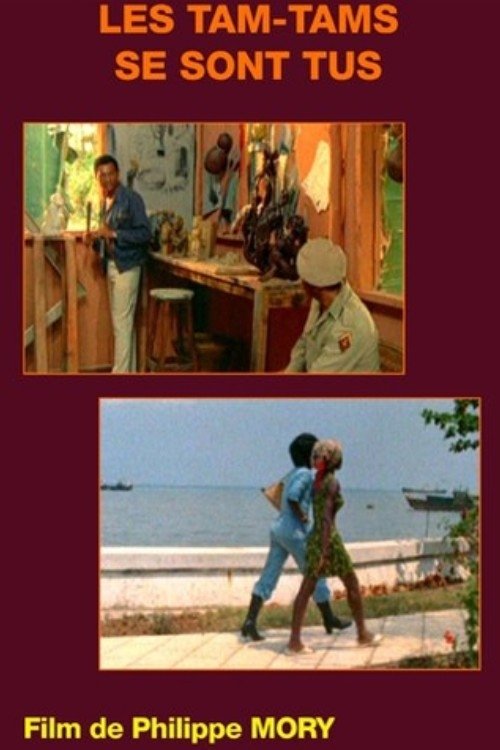
The Tam Tams Are Silent