
Béla Tarr
Directing
Born July 21, 1955 in Pécs, Hungary
Béla Tarr (July 21, 1955 – January 6, 2026) was a Hungarian filmmaker. Much of his work is marked by philosophical elements and a pessimistic view of humanity. His films utilize unconventional storytelling methods, such as long takes and/or non-professional actors to achieve realism. Debuting with Family Nest in 1979, Tarr underwent a period of what he refers to as "social cinema", aimed at telling mundane stories about ordinary people, often in the style of cinema vérité. Over the next decade, the cinematography of Tarr's films gradually changed; Damnation (1988) was shot with languid camera movement aimed at establishing ambience. It marked Tarr's earliest experimentation with philosophical themes, focused mostly on bleak and desolate representations of reality. Sátántangó (1994) and Werckmeister Harmonies (2000) continued this approach; both are considered by some critics to be among the greatest films ever made. Tarr would later compete in the 2007 Cannes Film Festival with his film The Man From London.
Filmography
Coda
Be Water My Friend

Places Half Empty

Stars of Little Importance

Lullaby for the Mountains

Living Stones

FUKUSHIMA with BÉLA TARR
Self

Rumours

The Cowboy

Árni

Isten hozott

Letters from the Ends of the World
Lamb
Paola makes a wish
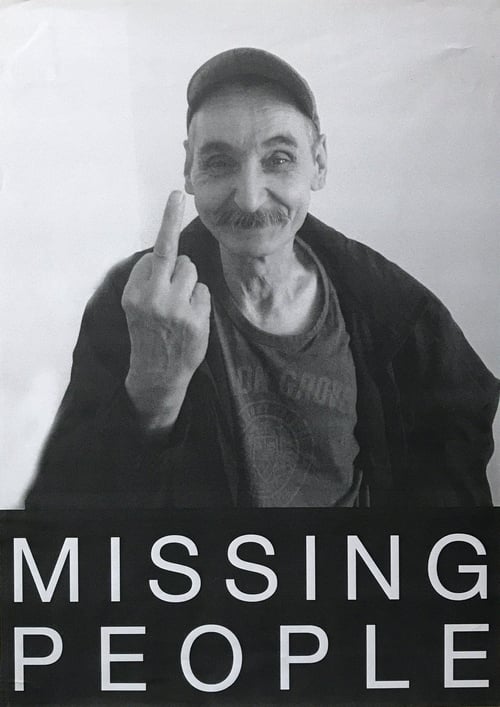
Missing People
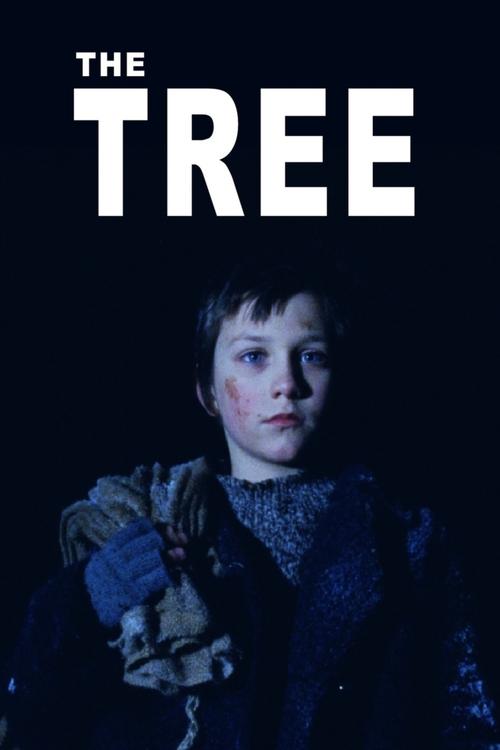
The Tree

The Confidence-Man
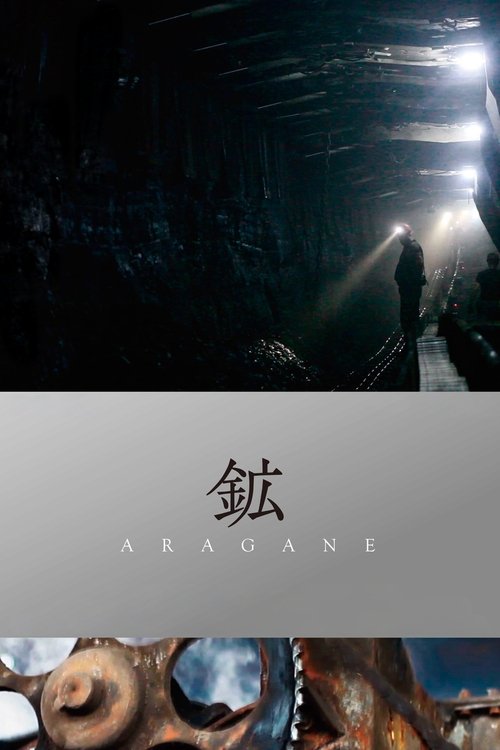
Aragane
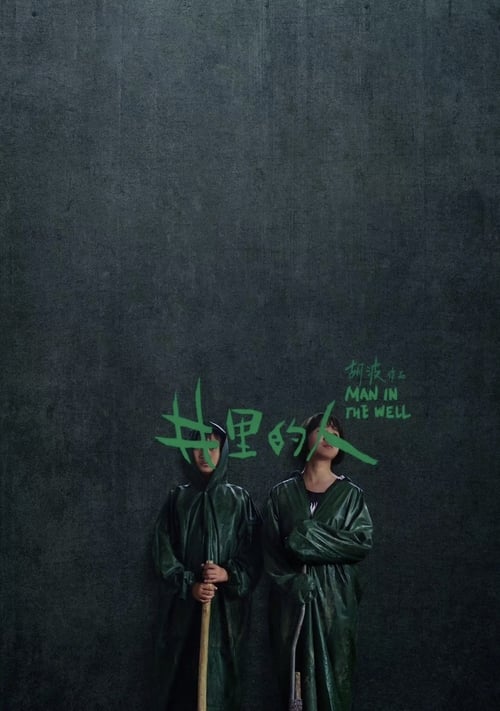
Man in the Well
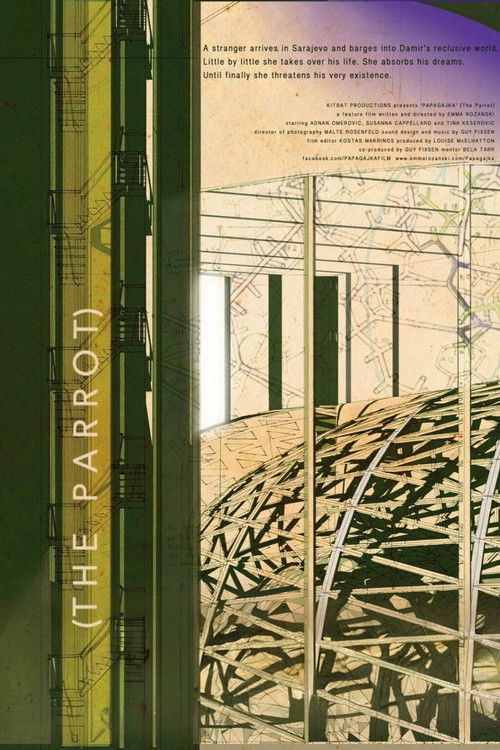
The Parrot
About Cinema
Self
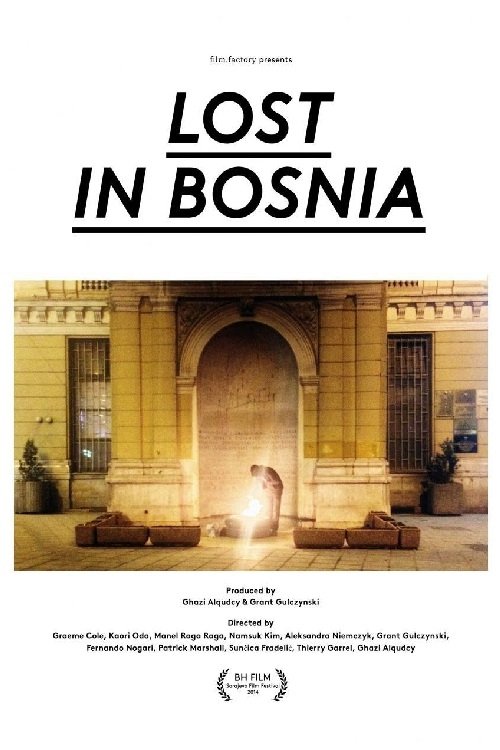
Lost in Bosnia

Tarr Béla: I Used to Be a Filmmaker
Himself
Conniving

Final Cut: Ladies and Gentlemen

Hungary 2011

The State That I Am Fish
Béla Tarr
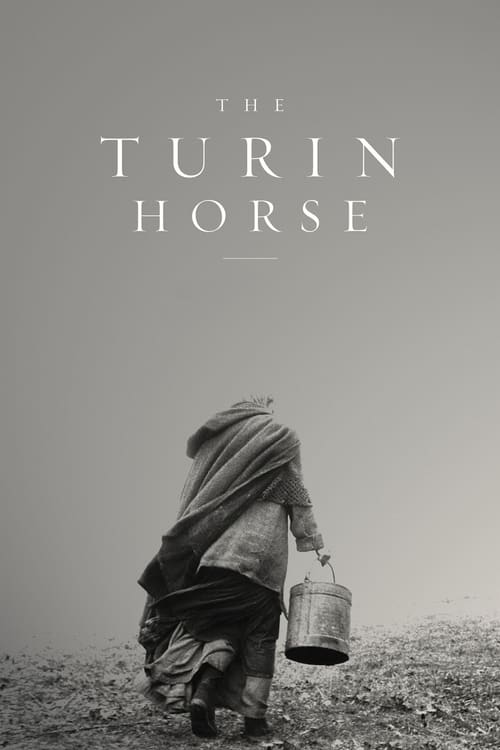
The Turin Horse
Béla Tarr: Mysterious Harmonies
Himself
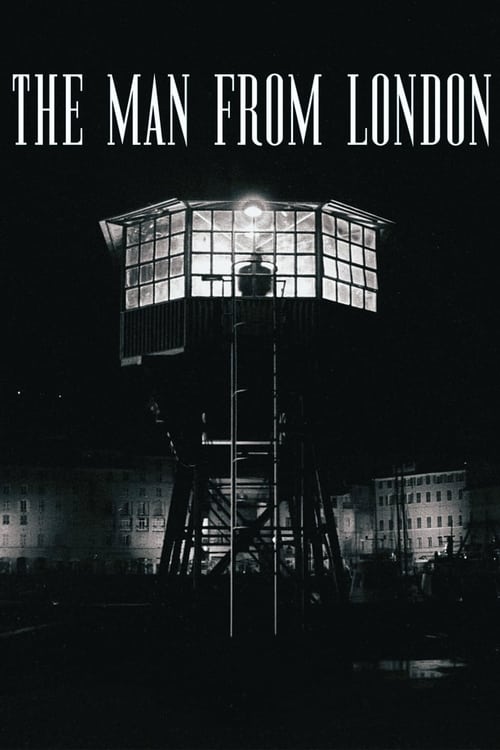
The Man from London

365 Day Project
Self
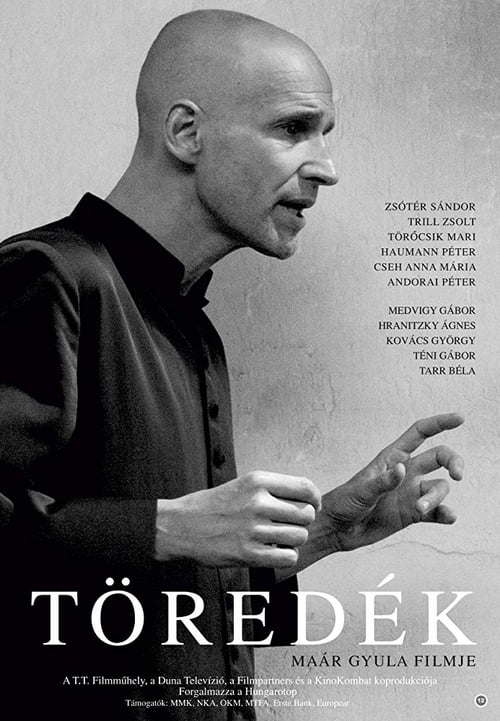
Fragment

Johanna

Visions of Europe
Prologue

Werckmeister Harmonies
György Fehér's Films According to Béla Tarr
Passion

Journey on the Plain
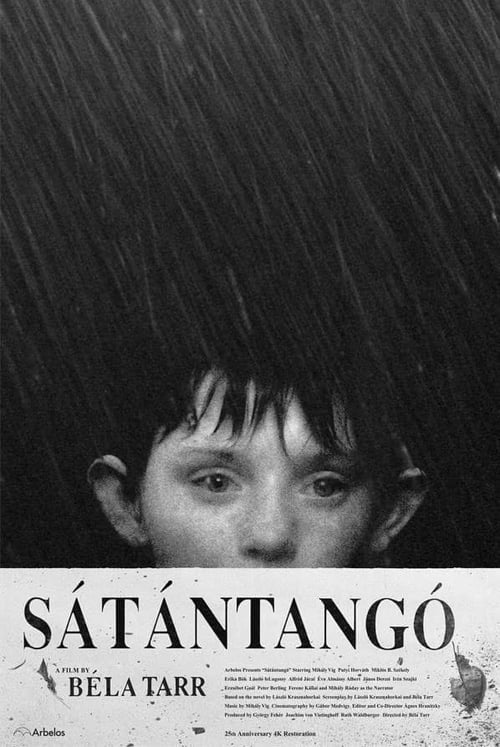
Satantango

City Life

The Last Boat
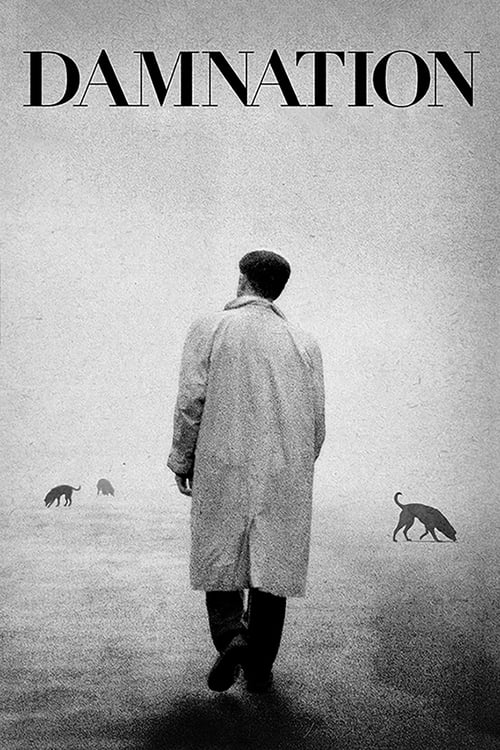
Damnation
Season of Monsters
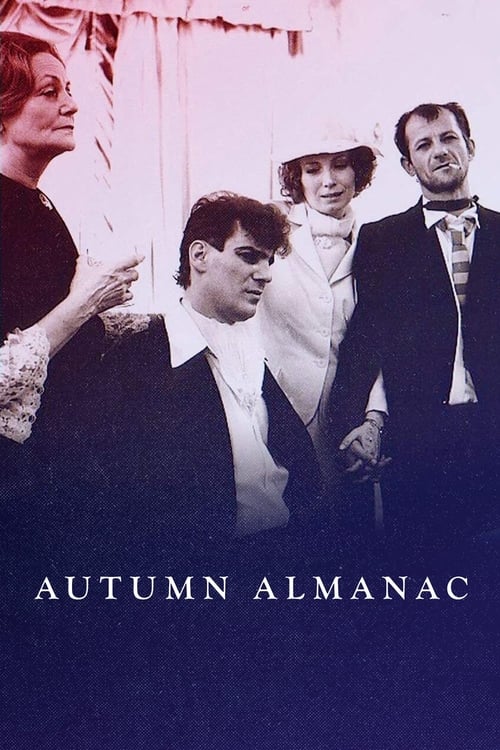
Autumn Almanac
The Doctor's Pupil

The Prefab People

Macbeth

The Outsider

Diplomafilm

Family Nest

Cinemarxism

Hotel Magnezit