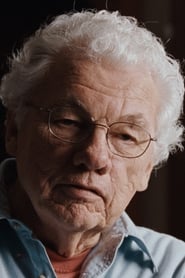
Gordon Willis
Camera
Born May 28, 1931 in Astoria, New York, USA
From Wikipedia, the free encyclopedia Gordon Hugh Willis, Jr., ASC (May 28, 1931 – May 18, 2014) was an American cinematographer. He is best known for his work on Francis Ford Coppola's The Godfather series as well as Woody Allen's Annie Hall and Manhattan. Fellow cinematographer William Fraker called Willis's work a "milestone in visual storytelling", while one critic suggested that Willis "defined the cinematic look of the 1970s: sophisticated compositions in which bolts of light and black put the decade's moral ambiguities into stark relief".
Filmography
The Godfather, Coda: The Death of Michael Corleone
The Godfather: The Complete Epic 1901–1959
An Amazing Time: A Conversation About End of the Road
Self

Woody Allen: A Documentary
Self
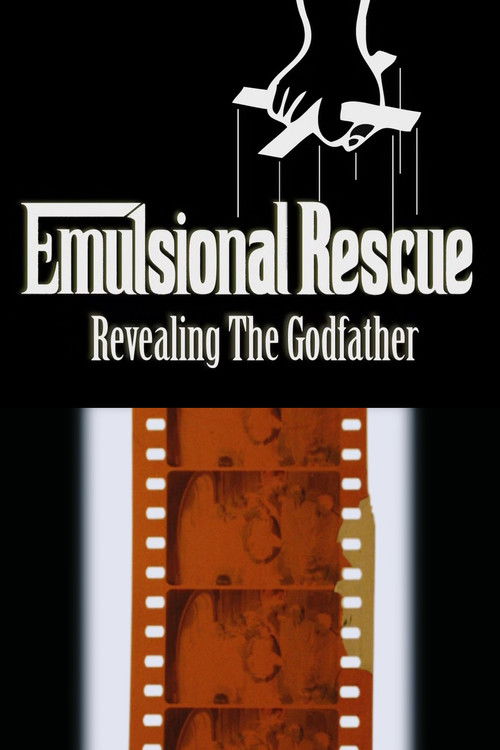
Emulsional Rescue: Revealing 'The Godfather'
Self
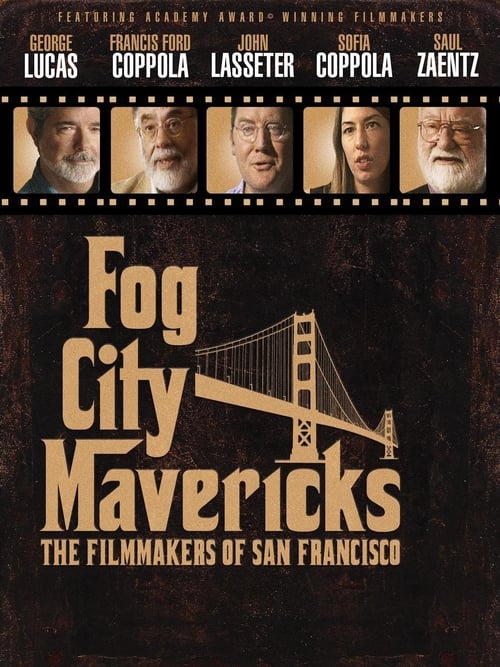
Fog City Mavericks
Self
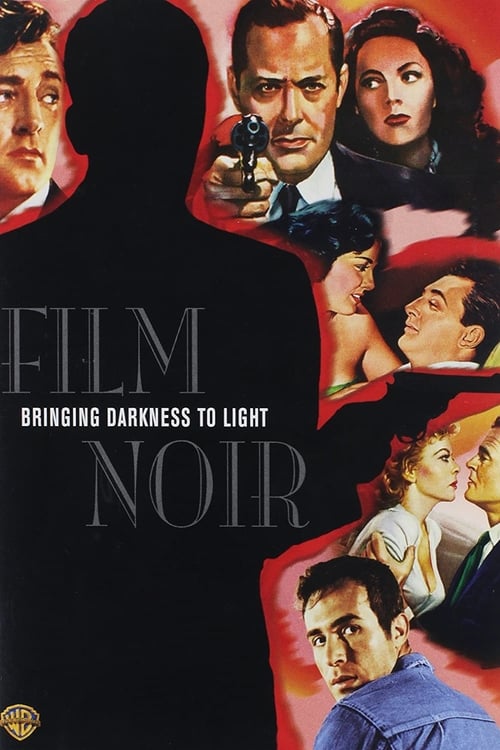
Film Noir: Bringing Darkness to Light
Self
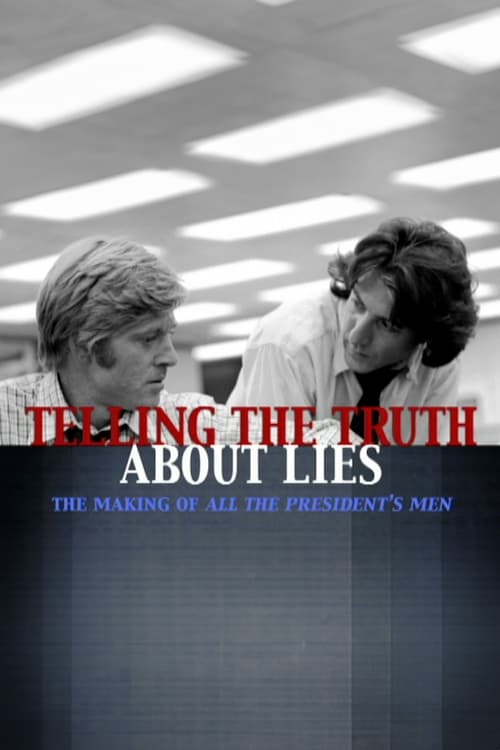
Telling the Truth About Lies: The Making of "All the President's Men"
Self

Easy Riders, Raging Bulls: How the Sex 'n' Drugs 'n' Rock 'n' Roll Generation Saved Hollywood
Self
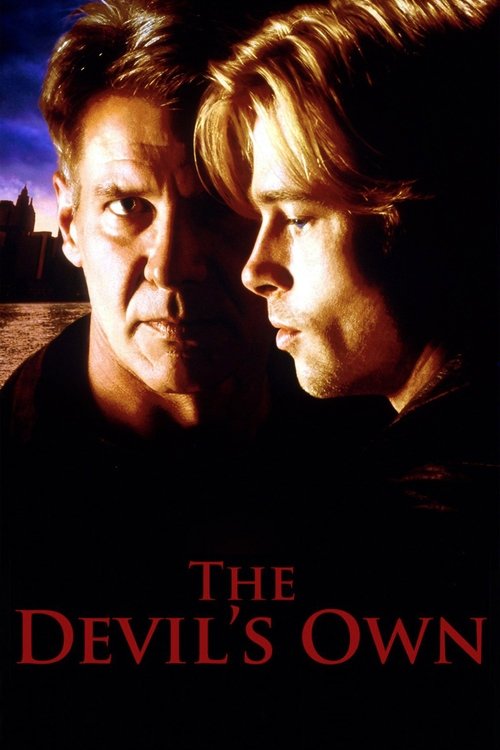
The Devil's Own

Malice
The Godfather Trilogy: 1901-1980
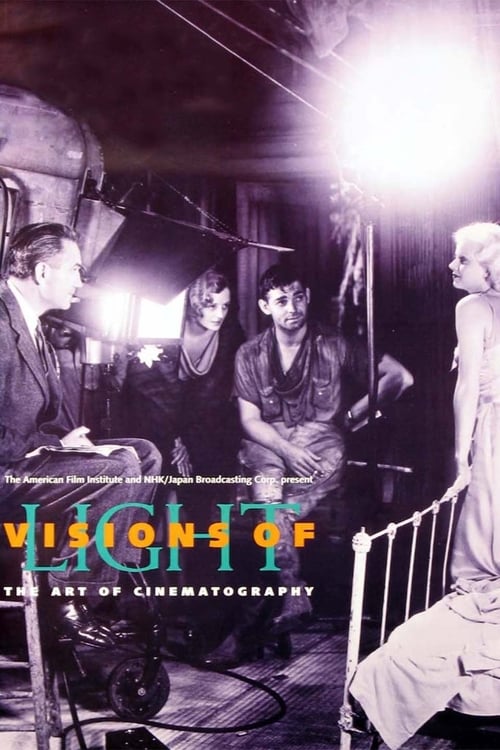
Visions of Light
Self

The Godfather Part III
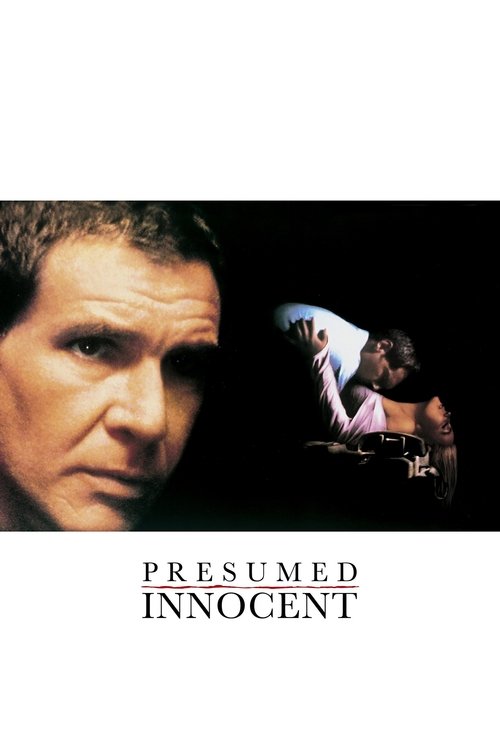
Presumed Innocent

Bright Lights, Big City

The Pick-up Artist
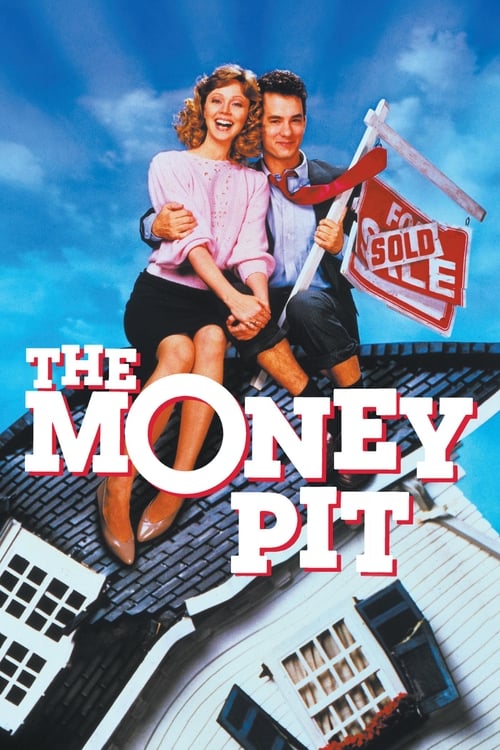
The Money Pit
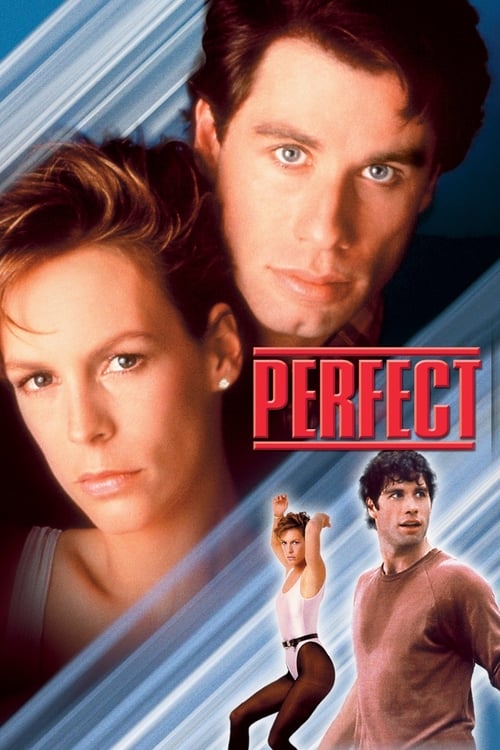
Perfect
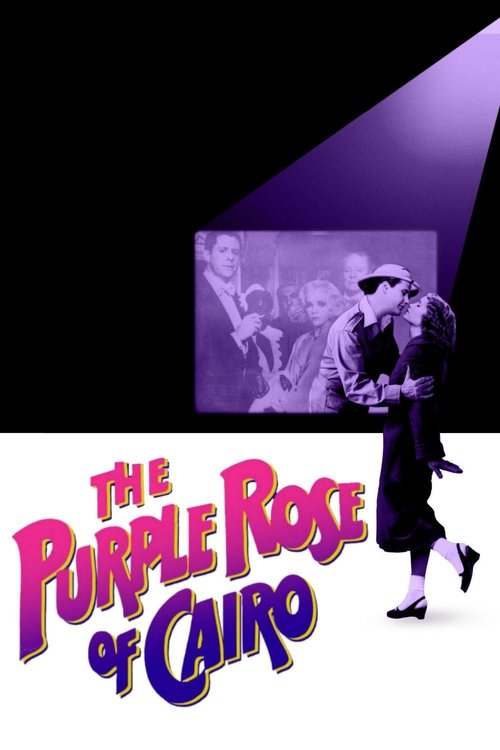
The Purple Rose of Cairo
Broadway Danny Rose
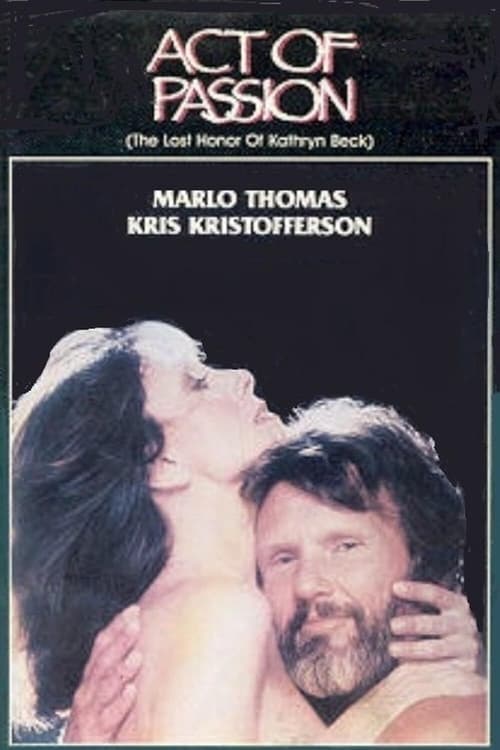
The Lost Honor of Kathryn Beck

Zelig
A Midsummer Night's Sex Comedy
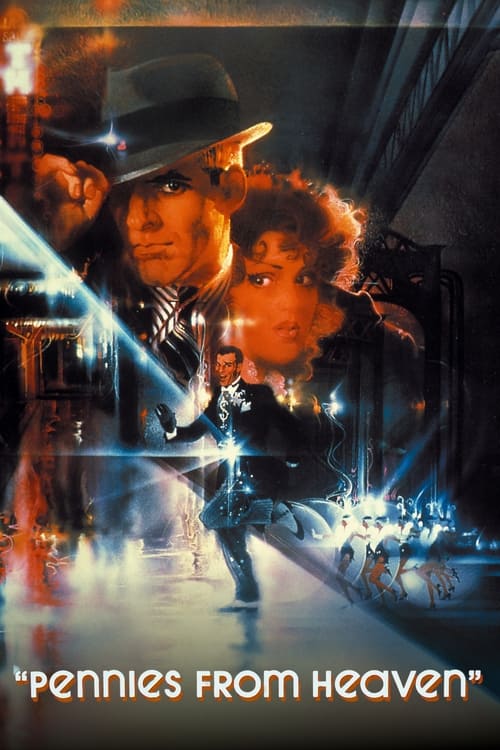
Pennies from Heaven
Stardust Memories
Windows

To Woody Allen from Europe with Love
Himself
Manhattan
Comes a Horseman
Interiors
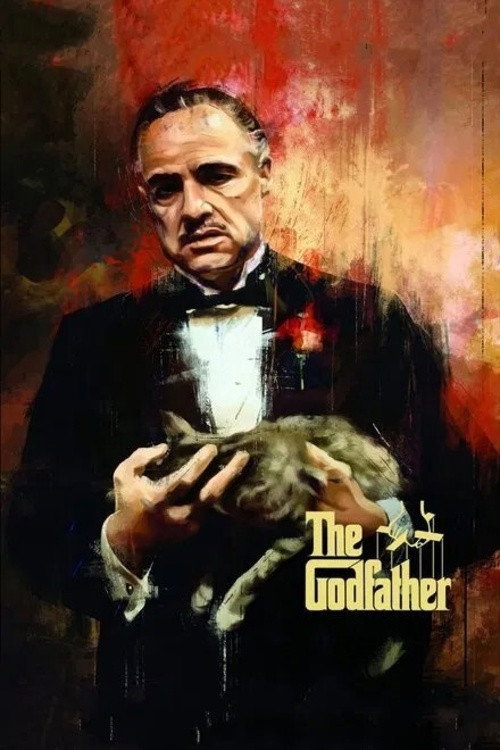
Mario Puzo's The Godfather: The Complete Novel for Television
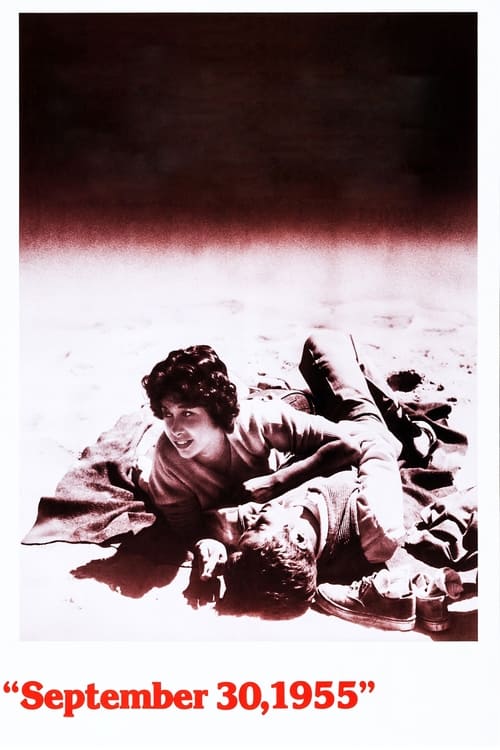
September 30, 1955
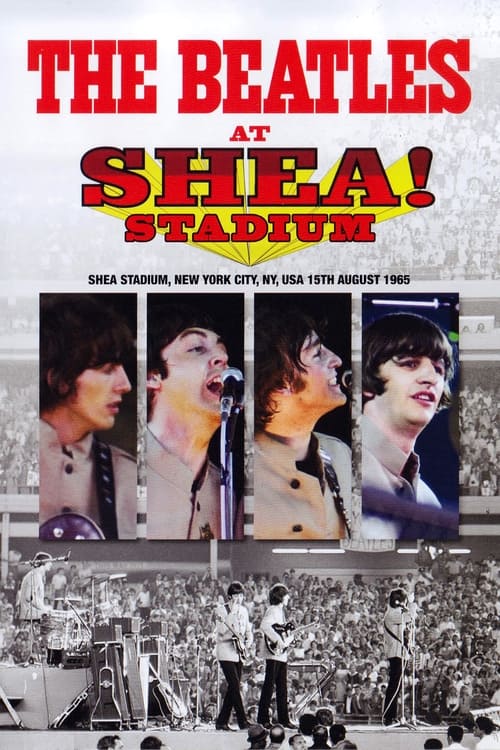
The Beatles at Shea Stadium
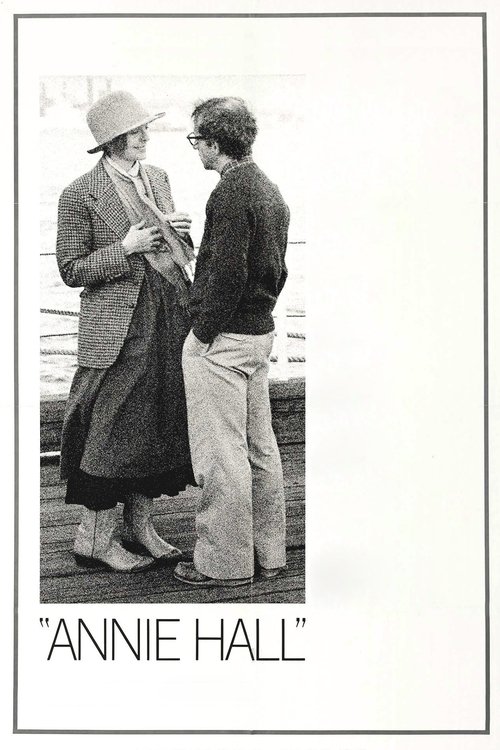
Annie Hall
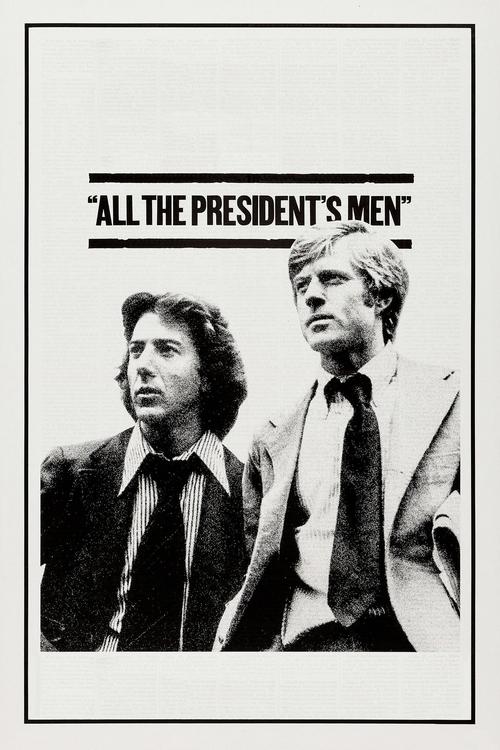
All the President's Men

The Drowning Pool
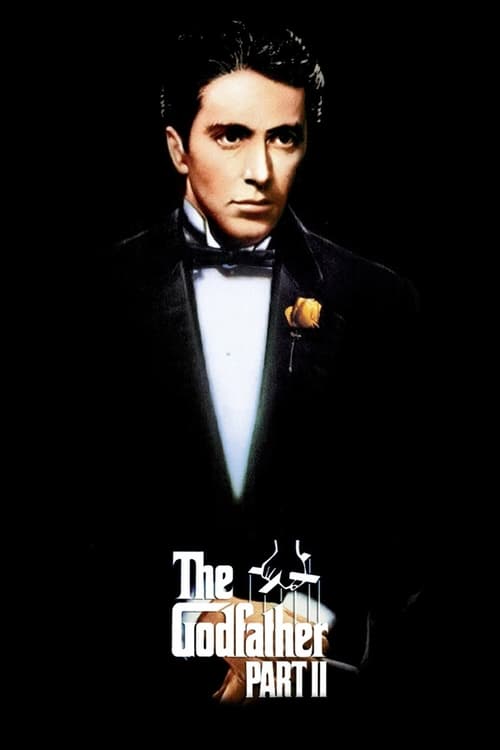
The Godfather Part II

The Parallax View

The Paper Chase
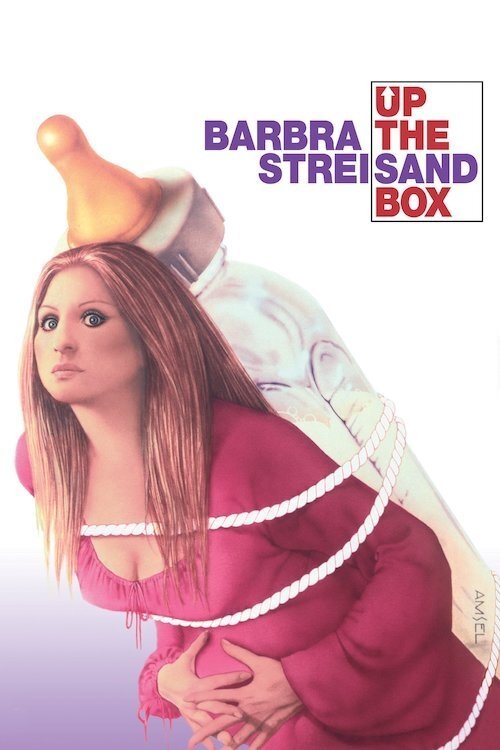
Up the Sandbox
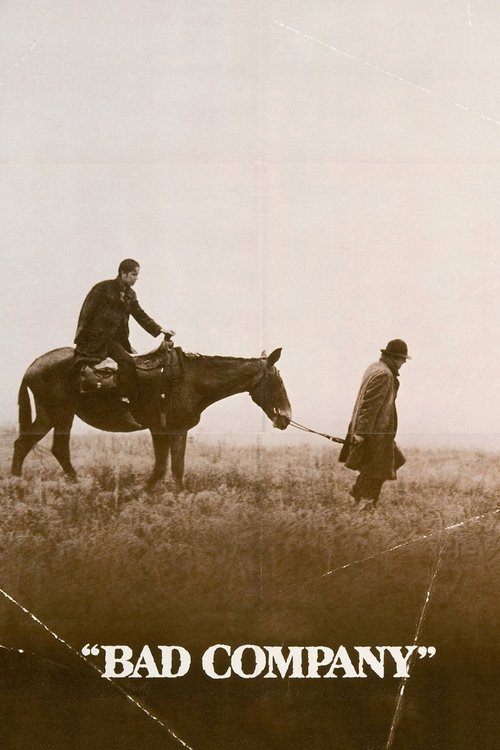
Bad Company
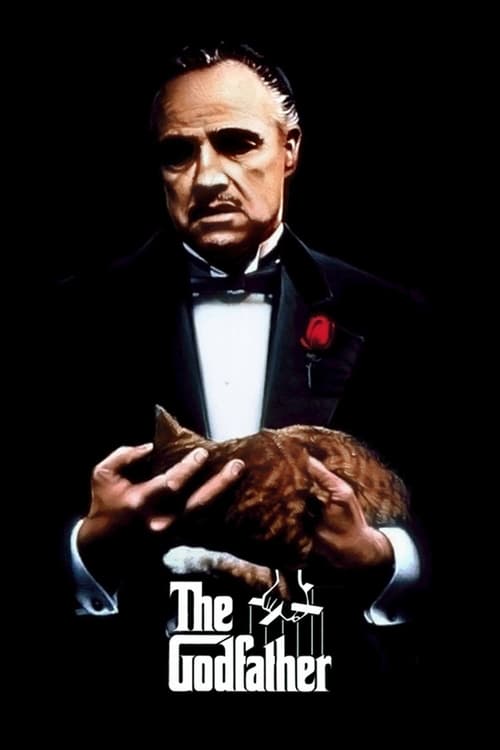
The Godfather
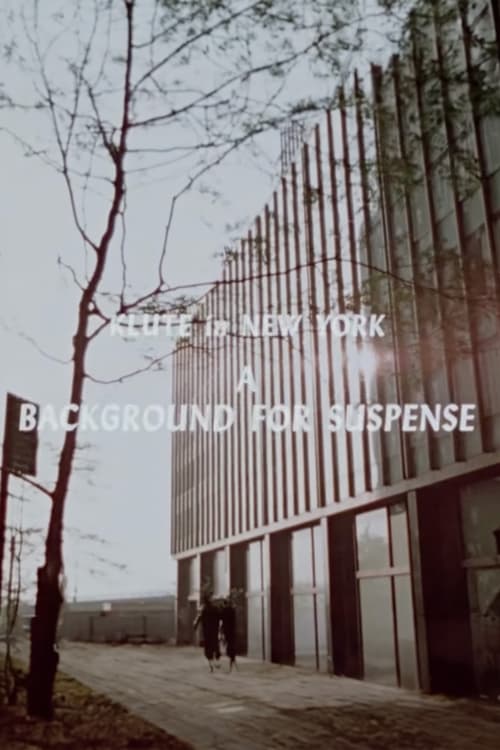
'Klute' in New York
Self
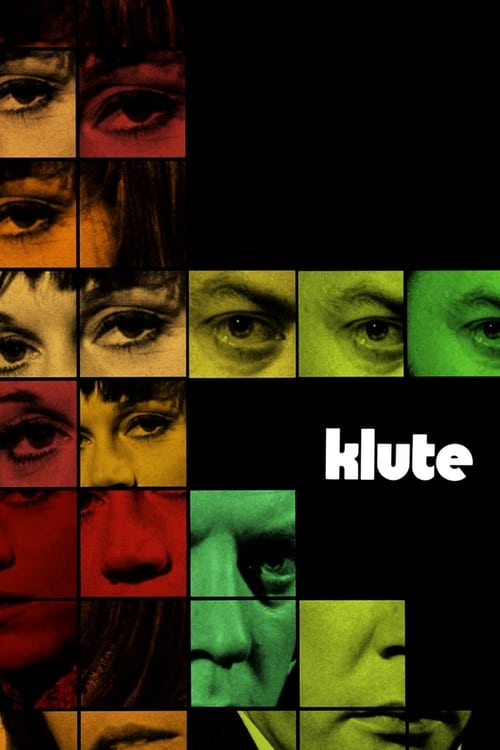
Klute
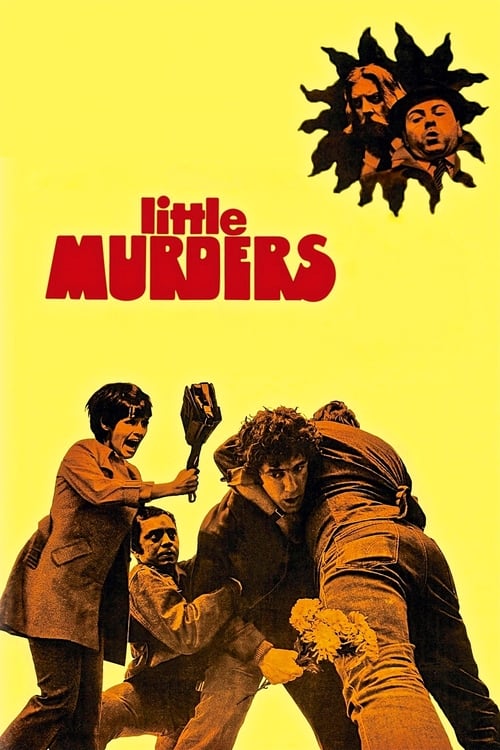
Little Murders
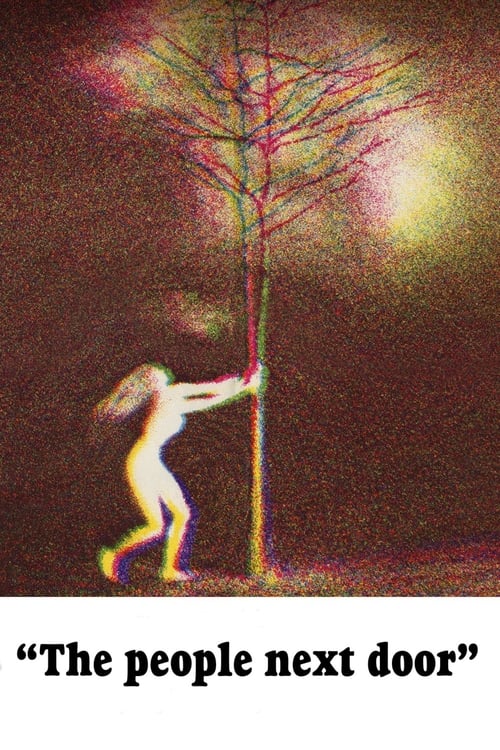
The People Next Door
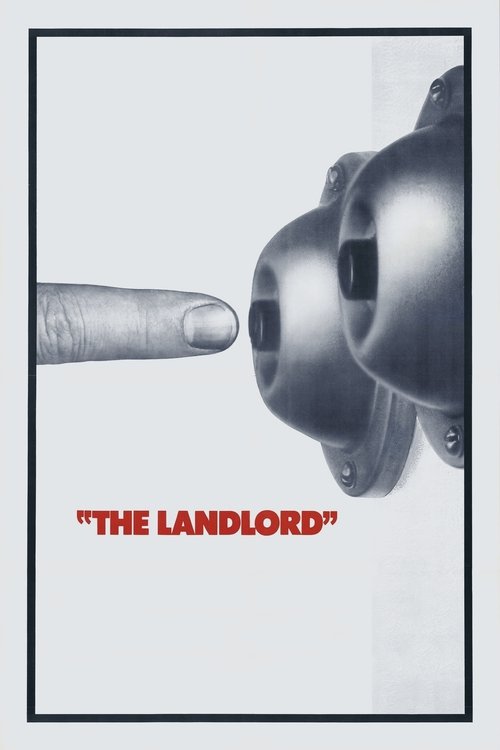
The Landlord
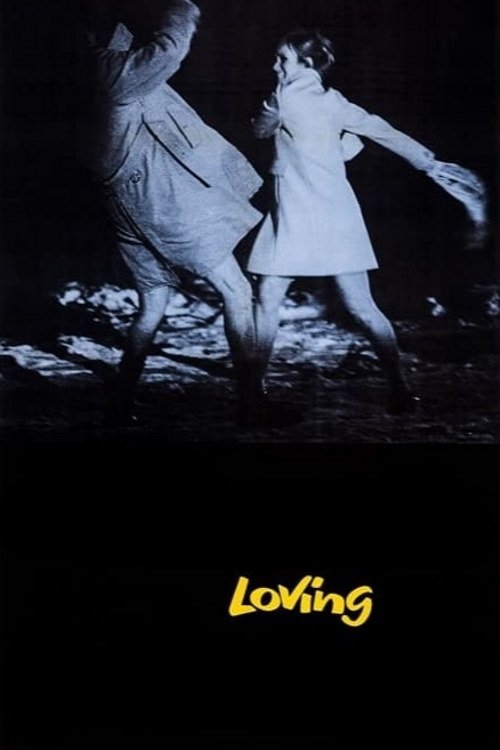
Loving
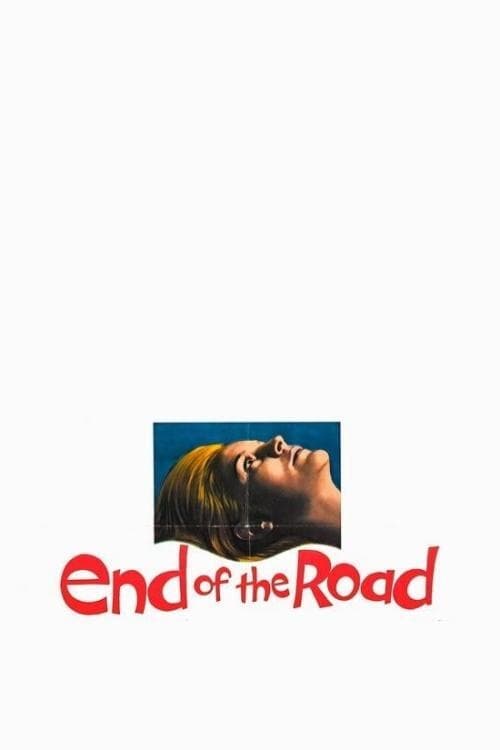
End of the Road