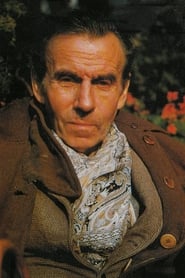
Louis-Ferdinand Céline
Writing
Born May 27, 1894 in Courbevoie, Seine [now Hauts-de-Seine], France
Louis Ferdinand Auguste Destouches (27 May 1894 – 1 July 1961), better known by the pen name Louis-Ferdinand Céline, was a French novelist, polemicist, and physician. His first novel Journey to the End of the Night (1932) won the Prix Renaudot but divided critics due to the author's pessimistic depiction of the human condition and his writing style based on working class speech. In subsequent novels such as Death on the Installment Plan (1936), Guignol's Band (1944) and Castle to Castle (1957) Céline further developed an innovative and distinctive literary style. Maurice Nadeau wrote: "What Joyce did for the English language...what the surrealists attempted to do for the French language, Céline achieved effortlessly and on a vast scale." From 1937 Céline wrote a series of antisemitic polemical works in which he advocated a military alliance with Nazi Germany. He continued to publicly espouse antisemitic views during the German occupation of France, and after the Allied landing in Normandy in 1944 he fled to Germany and then Denmark where he lived in exile. He was convicted of collaboration by a French court in 1951, but was pardoned by a military tribunal soon after. He returned to France where he resumed his careers as a doctor and author. Céline is widely considered to be one of the greatest French novelists of the 20th century but remains a controversial figure in France due to his antisemitism and activities during the Second World War.
Filmography
Voyage d'été à tombeau ouvert
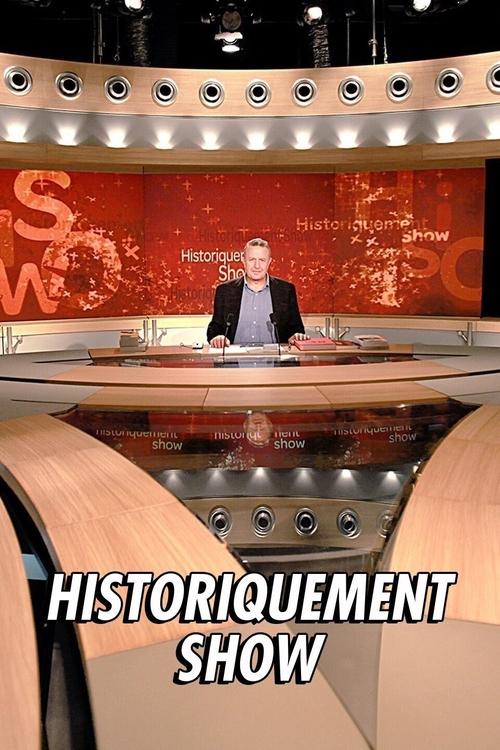
Historiquement Show - Spéciale Céline
Self - Archive
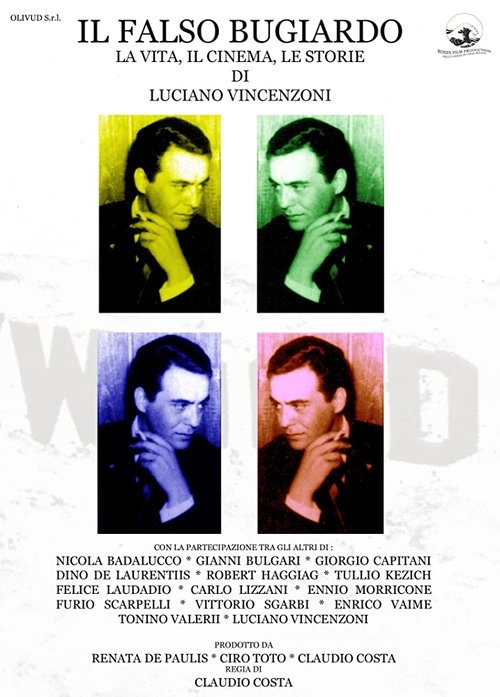
Il falso bugiardo
Self (archive footage)
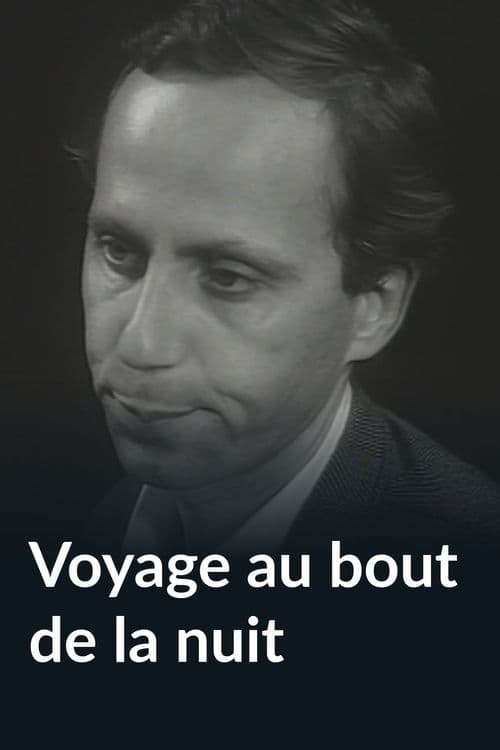
Journey to the End of the Night
"Une légende, une vie" Louis-Ferdinand Céline
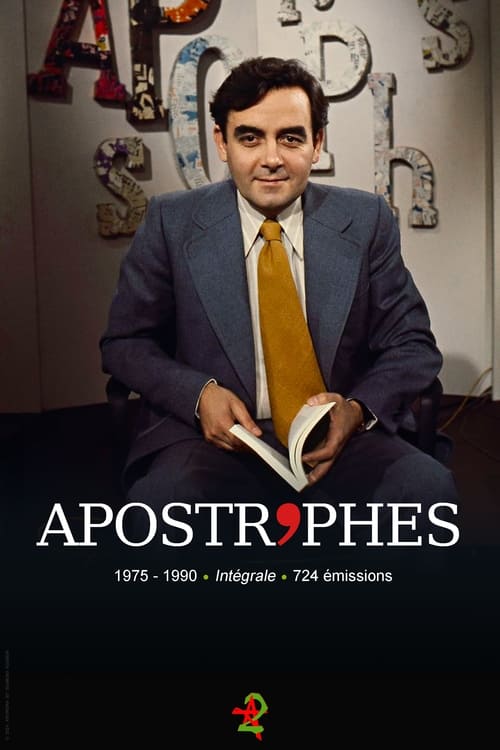
Apostrophes
Self (archive footage)
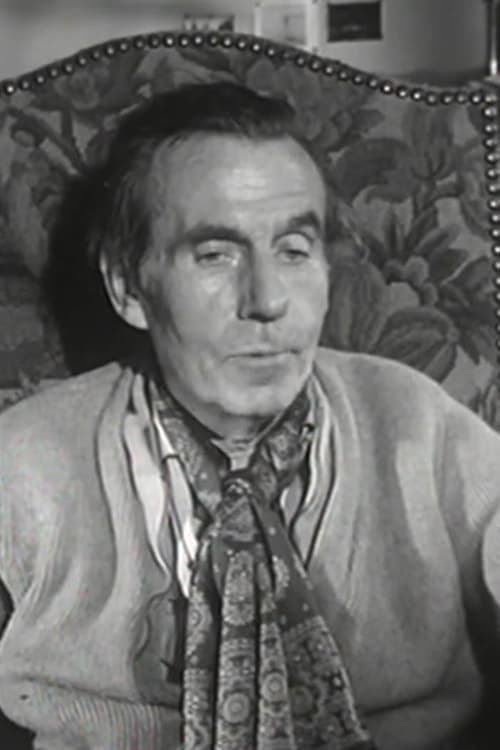
En français dans le texte - Entretien avec Louis-Ferdinand Céline
Lui-même
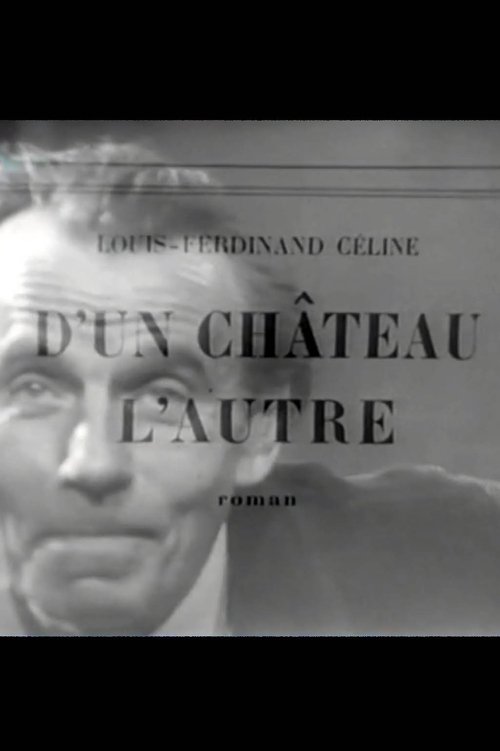
Lectures pour tous : D'un château l'autre
Tovaritch